
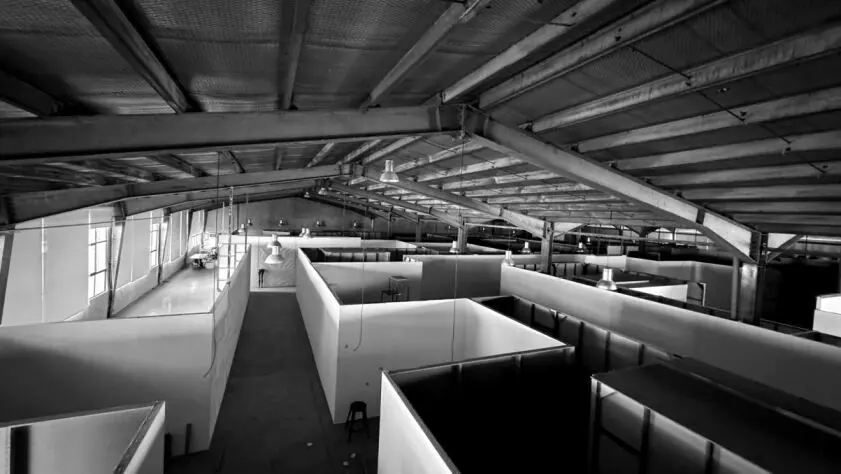
Exhibition Preview:
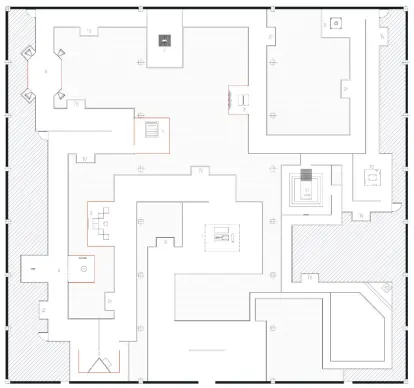
“Entertainment in Public,” previously exhibited at the Dayhim Art Society, is an interdisciplinary project that investigates the historical significance of the guillotine as an instrument of capital punishment. Through a narrative installation, the work immerses participants in a portrayal of execution, prompting both apprehension and intellectual engagement.
01
Creators of the Guillotine
Room Number One features an interactive, life-sized guillotine installation. Visitors receive assembly instructions and tools, engaging in the sequential construction of the device. Each interaction activates a responsive sound design that intensifies the atmosphere and encourages reflection on the mechanics of capital punishment.

Joseph-Ignace Guillotin (1738 – 1814)
Guillotin was a French physician and politician who advocated a humane method of execution. He proposed a mechanical device for quick, painless death and a six-point declaration defending the rights of the condemned. Despite promoting reform, Guillotin did not design or build the machine, and he opposed capital punishment. His name became associated with the device he neither created nor invented.
Guillotin was a French physician and politician who advocated a humane method of execution. He proposed a mechanical device for quick, painless death and a six-point declaration defending the rights of the condemned. Despite promoting reform, Guillotin did not design or build the machine, and he opposed capital punishment. His name became associated with the device he neither created nor invented.
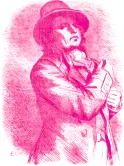
Charles-Henri Sanson (1739 – 1806)
Serving as France’s official executioner for over four decades, Sanson’s career encompassed the fall of the monarchy and the height of the French Revolution. He is closely associated with the Reign of Terror, having executed thousands, including King Louis XVI and Queen Marie Antoinette. Noted for his professional detachment, Sanson played a central role in testing and refining the first guillotine, contributing to the transformation of capital punishment into a more efficient, industrialized process.
Serving as France’s official executioner for over four decades, Sanson’s career encompassed the fall of the monarchy and the height of the French Revolution. He is closely associated with the Reign of Terror, having executed thousands, including King Louis XVI and Queen Marie Antoinette. Noted for his professional detachment, Sanson played a central role in testing and refining the first guillotine, contributing to the transformation of capital punishment into a more efficient, industrialized process.
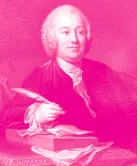
Antoine Louis (1723 – 1792)
While Joseph Guillotin proposed the concept of humane execution, it was the French surgeon and physiologist Antoine Louis who realized it in practice. Charged with designing an efficient mechanism, Louis developed the first working prototype of the device, briefly referred to as the louisette. Drawing on his medical expertise, Louis translated a theoretical appeal for compassion into a functional instrument, providing the technical foundation for the guillotine.
While Joseph Guillotin proposed the concept of humane execution, it was the French surgeon and physiologist Antoine Louis who realized it in practice. Charged with designing an efficient mechanism, Louis developed the first working prototype of the device, briefly referred to as the louisette. Drawing on his medical expertise, Louis translated a theoretical appeal for compassion into a functional instrument, providing the technical foundation for the guillotine.
Tobias Schmidt (1775 – 1831)
Tobias Schmidt, a Parisian piano maker, constructed the guillotine’s first working prototype based on Antoine Louis’s design. Schmidt addressed initial shortcomings by revising the blade, with King Louis XVI suggesting the angled shape. Schmidt completed the device and supplied it for use in executions.
Tobias Schmidt, a Parisian piano maker, constructed the guillotine’s first working prototype based on Antoine Louis’s design. Schmidt addressed initial shortcomings by revising the blade, with King Louis XVI suggesting the angled shape. Schmidt completed the device and supplied it for use in executions.
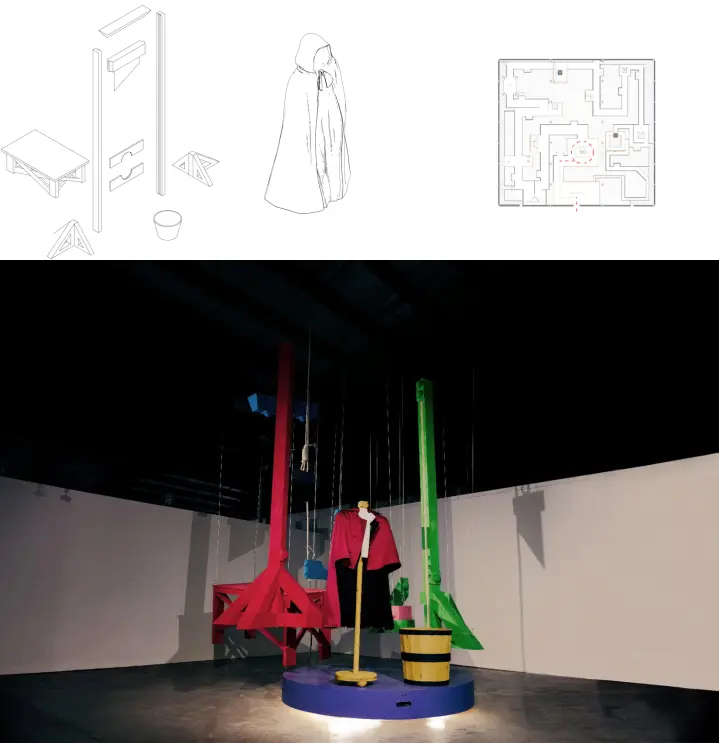
Space number one: Creators of the guillotine
The central feature of Room number one is a guillotine toy comprised of life-sized pieces which, along with the executioner’s instruments, are suspended in the air. There is also a sound design which activates when the audience members walk around the suspended guillotine.
02
Unveiling of the Apparatus
In the second space, the guillotine’s physical presence is reinterpreted as a digital spectacle. Visitors encounter a large archway constructed from thirty vintage televisions, each displaying various “Game Over” sequences to create a continuous archive of digital mortality. At the entrance, a single gamepad allows participants to play a custom 2D platformer that explores themes of execution and loss. As players interact with the game, they become both participants and observed subjects, with an audience of fellow visitors behind them. Two Walkmans play a continuous, ambient soundtrack, contributing to an atmosphere of persistent consumption.
Nicolas Jacques Pelletier (1756 – 1792)
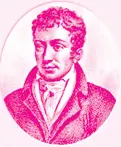
Pelletier, a convicted highwayman, became the guillotine’s first victim on April 25, 1792. The crowd, disappointed by the swift execution, protested their lost spectacle, sparking further violence and fatalities.
Pelletier, a convicted highwayman, became the guillotine’s first victim on April 25, 1792. The crowd, disappointed by the swift execution, protested their lost spectacle, sparking further violence and fatalities.
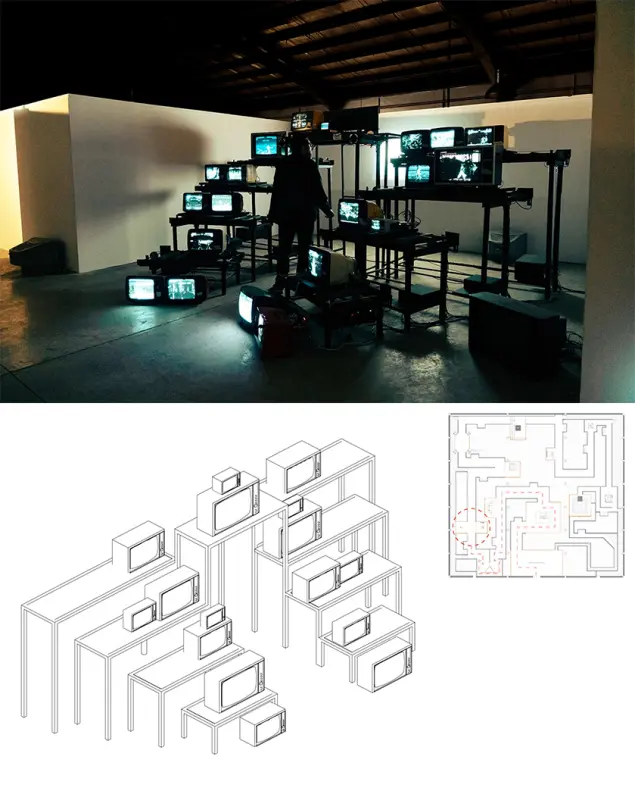
Room Number Two: Unveiling ofthe Apparatus
In the second space, the guillotine’s physical presence is reinterpreted as a digital spectacle. Visitors encounter a large archway constructed from thirty vintage televisions, each displaying various “Game Over” sequences to create a continuous archive of digital mortality. At the entrance, a single gamepad allows participants to play a custom 2D platformer that explores themes of execution and loss. As players interact with the game, they become both participants and observed subjects, with an audience of fellow visitors behind them. Two Walkmans play a continuous, ambient soundtrack, contributing to an atmosphere of persistent consumption
03
L’Ami du Peuple vs. Death Angel
Jean-Paul Marat (1743 – 1793)
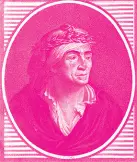
Jean-Paul Marat, initially trained as a physician, became a prominent and radical figure during the French Revolution. Through his newspaper, L’Ami du Peuple (The Friend of the People), he advocated for revolutionary action and frequently called for retribution against perceived enemies. This rhetoric established him as both a populist leader and a target. Marat was assassinated in his bath by Charlotte Corday, who believed his death would end the Reign of Terror. Instead, his assassination elevated him to the status of a revolutionary martyr and intensified the violence she sought to prevent.
Jean-Paul Marat, initially trained as a physician, became a prominent and radical figure during the French Revolution. Through his newspaper, L’Ami du Peuple (The Friend of the People), he advocated for revolutionary action and frequently called for retribution against perceived enemies. This rhetoric established him as both a populist leader and a target. Marat was assassinated in his bath by Charlotte Corday, who believed his death would end the Reign of Terror. Instead, his assassination elevated him to the status of a revolutionary martyr and intensified the violence she sought to prevent.

Charlotte Corday (1768 – 1793)
Charlotte Corday, often referred to as the “Angel of Assassination,” believed that eliminating Jean-Paul Marat would prevent further bloodshed during the Revolution. She gained access to his private quarters and killed him while he was in his bath, regarding her action as a necessary intervention rather than murder. However, her attempt to end the violence ultimately intensified it. Four days later, Corday was executed by guillotine on July 17, 1793, the same fate she had hoped to prevent for others.
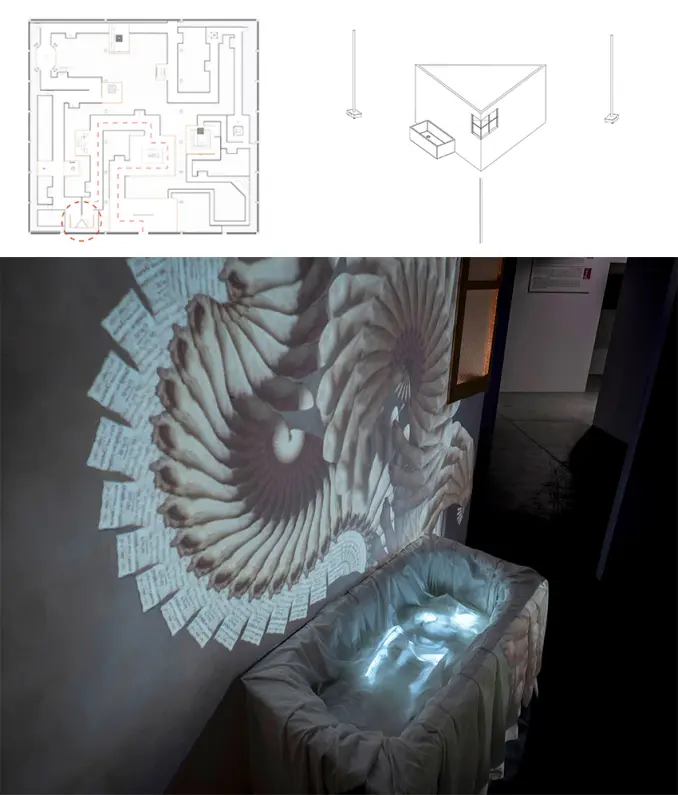
Room Number Three: L’Ami du Peuple vs. Death Angel Upon entering the triangular space, the audience is positioned at a pivotal intersection of historical narratives. This room presents a dual-perspective installation of the French Revolution’s most notable assassination. Utilizing advanced motion design, iconic paintings by Jacques-Louis David and Paul Baudry are animated to depict the killing of Jean-Paul Marat by Charlotte Corday from opposing viewpoints. At the center, Marat’s bathtub serves as a three-dimensional canvas for a projection of his lifeless body. Specialized sound tunnels are integrated into the architecture, providing a highly localized and immersive auditory experience.
Room Number Three: L’Ami du Peuple vs. Death Angel
Upon entering the triangular space, the audience is positioned at a pivotal intersection of historical narratives. This room presents a dual-perspective installation of the French Revolution’s most notable assassination. Utilizing advanced motion design, iconic paintings by Jacques-Louis David and Paul Baudry are animated to depict the killing of Jean-Paul Marat by Charlotte Corday from opposing viewpoints. At the center, Marat’s bathtub serves as a three-dimensional canvas for a projection of his lifeless body. Specialized sound tunnels are integrated into the architecture, providing a highly localized and immersive auditory experience.
04
Icons Are Broken / Rumor Is Ruthless
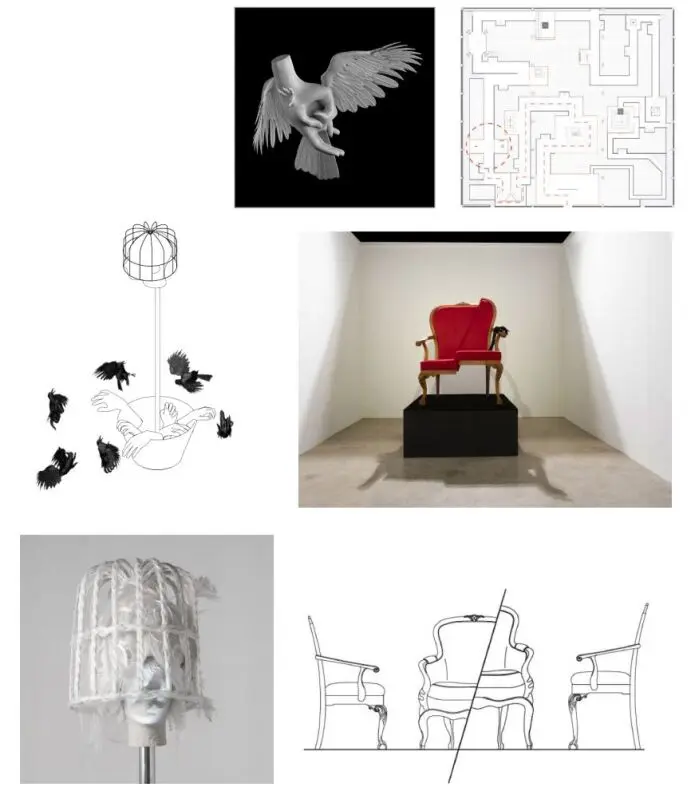
In the fourth space, opposing installations represent Louis XVI and Marie Antoinette. The King’s severed chair symbolizes the instability of his reign, while Antoinette’s kinetic head installation, accompanied by whispered audio, immerses visitors in the rumors that influenced her fate.
Louis XVI (1754 – 1793)
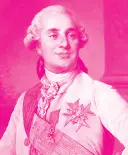
As the final absolute monarch of France, King Louis XVI inherited a throne he was ultimately unable to hold. His reign, defined by severe economic crisis and deep political strife, was weighed down by the burden of a starving populace and his own inability to enact meaningful reform. While his financial backing of the American Revolution bled his country dry, his resistance to domestic change triggered a far more serious rebellion. The King’s reign culminated not in a palace, but on the scaffold. Executed by the guillotine in January 1793, his public decapitation served as the ultimate symbol of a shattered monarchy, permanently severing France from centuries of absolute rule.
As the final absolute monarch of France, King Louis XVI inherited a throne he was ultimately unable to hold. His reign, defined by severe economic crisis and deep political strife, was weighed down by the burden of a starving populace and his own inability to enact meaningful reform. While his financial backing of the American Revolution bled his country dry, his resistance to domestic change triggered a far more serious rebellion. The King’s reign culminated not in a palace, but on the scaffold. Executed by the guillotine in January 1793, his public decapitation served as the ultimate symbol of a shattered monarchy, permanently severing France from centuries of absolute rule.
Marie Antoinette (1755 – 1793)
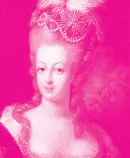
Marie Antoinette, born an Austrian Archduchess, entered the French court at the age of fourteen and became a central figure of public scrutiny during the Revolution. Prior to her execution, she was condemned by widespread public opinion, with her image often exaggerated by persistent gossip. As the monarchy fell, she became a symbol of France’s financial crisis. Tried for treason and executed in October 1793, her death underscored the influence of rumor and public perception over judicial process.
Marie Antoinette, born an Austrian Archduchess, entered the French court at the age of fourteen and became a central figure of public scrutiny during the Revolution. Prior to her execution, she was condemned by widespread public opinion, with her image often exaggerated by persistent gossip. As the monarchy fell, she became a symbol of France’s financial crisis. Tried for treason and executed in October 1793, her death underscored the influence of rumor and public perception over judicial process.
Room Number Four: Icons Are Broken / Rumor Is Ruthless
In the fourth space, opposing installations represent Louis XVI and Marie Antoinette. The King’s severed chair symbolizes the instability of his reign, while Antoinette’s kinetic head installation, accompanied by whispered audio, immerses visitors in the rumors that influenced her fate.
05
A Woman Beyond Her Time
In the fifth space, the exhibition addresses the silencing of dissent. This room is dedicated to Olympe de Gouges, the activist executed for advocating equal rights for women. The installation translates her historical erasure into a physical experience. Visitors encounter a stairway leading to a solitary microphone stand with its wire severed, symbolizing her silenced voice. Nearby, a box contains a dozen hanging hair clippers, referencing the “toilette of the condemned,” where victims were shorn before execution. Although only two clippers are operational, hidden speakers amplify their mechanical buzzing, filling the room with the sound of institutional erasure.

Olympe de Gouges (1748 – 1793)
Born into a bourgeois family in 1748, Olympe de Gouges defied the repressive structures of her era, funding her own education and fiercely rejecting the institution of marriage as the “graveyard of love and trust.” As a tireless playwright and activist, she weaponized her words against slavery and institutional inequality. When the French Revolution failed to extend its promise of liberty to women, de Gouges defiantly penned the Declaration of the Rights of Woman. She famously declared that if a woman had the right to mount the scaffold, she must equally possess the right to mount the public rostrum. Tragically, the revolutionary government only granted her the former. For daring to critique the bloodshed of Robespierre’s regime, her speech was violently silenced. Denied a defense, de Gouges was sent to the guillotine on November 3, 1793—the blade ultimately answered a thinker who demanded to be heard.
Born into a bourgeois family in 1748, Olympe de Gouges defied the repressive structures of her era, funding her own education and fiercely rejecting the institution of marriage as the “graveyard of love and trust.” As a tireless playwright and activist, she weaponized her words against slavery and institutional inequality. When the French Revolution failed to extend its promise of liberty to women, de Gouges defiantly penned the Declaration of the Rights of Woman. She famously declared that if a woman had the right to mount the scaffold, she must equally possess the right to mount the public rostrum. Tragically, the revolutionary government only granted her the former. For daring to critique the bloodshed of Robespierre’s regime, her speech was violently silenced. Denied a defense, de Gouges was sent to the guillotine on November 3, 1793—the blade ultimately answered a thinker who demanded to be heard.
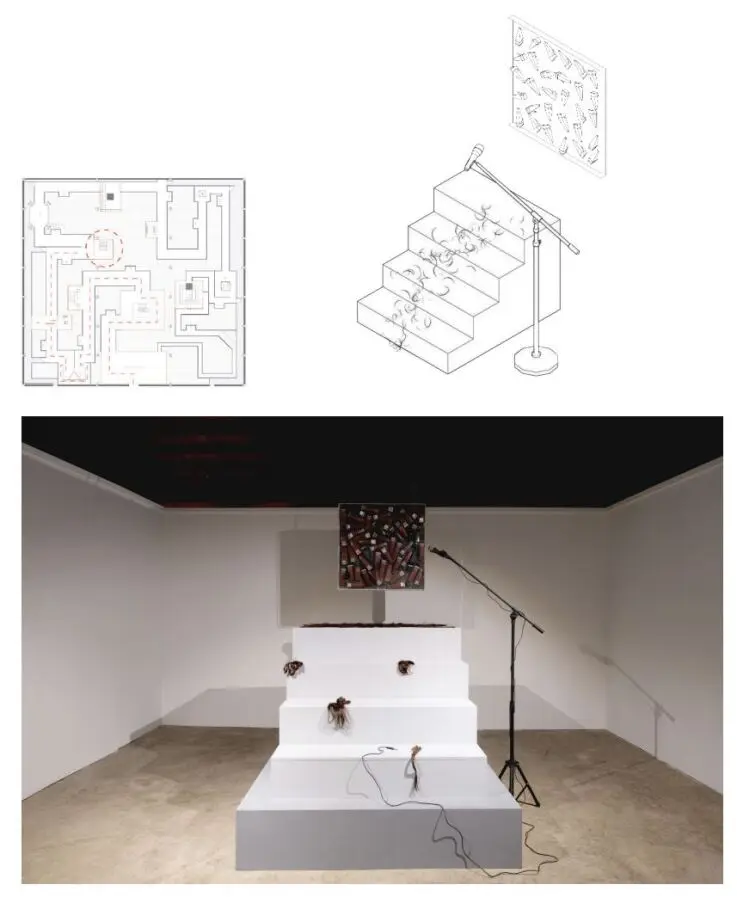
Room Number Five: A Woman Past Her Time
Entering the fifth space, the exhibition confronts the brutal censorship of the Revolution. This room is dedicated to Olympe de Gouges, the pioneering activist sent to the guillotine for her vehement writings against the radical government. The installation translates her historical erasure into a severe, physical experience. Visitors face a stairway leading to a solitary microphone stand—its wire violently severed, serving as a visceral monument to her silenced voice. Nearby, a bleak box houses a dozen hanging hair clippers, a chillingly cold reference to the “toilette of the condemned,” where victims were shorn before facing the blade. Though only two clippers are physically operational, hidden speakers boost their ceaseless, mechanical buzzing, filling the room with the overwhelming sound of institutional erasure.
06
The Last Portrait
The exhibition concludes with an interactive installation confronting mortality, dedicated to the poet André Chénier’s final words. Visitors are instructed to lean forward and gaze into a downward-facing aperture, thereby assuming the physical posture of the condemned at the guillotine. Inside, a live CCTV feed displays the back of the visitor’s neck. Superimposed on this surveillance-style image is Chénier’s final poem: “You who see my portrait, I am executed now.” This final space removes historical distance, positioning the observer directly in the place of the condemned.
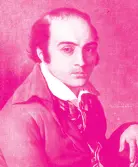
André Chénier (1762 – 1794)
A brilliant political poet and translator of classical literature, André Chénier represents the tragic silencing of art during the Reign of Terror. Initially a supporter of the French Revolution, Chénier’s belief in a moderate constitutional monarchy soon made him a target of the radical Jacobins. He frequently weaponized his poetry against the escalating political violence, publishing sharp critiques that caught the lethal attention of Maximilien Robespierre. Arrested purely by chance while visiting a friend, Chénier was imprisoned and sentenced to death. In a last-ditch act of resistance, he secretly smuggled his final poems to his family from his cell. On July 25, 1794, at the age of thirty-one, Chénier was led to the guillotine. He was executed just two days before the fall of Robespierre—narrowly missing his freedom and becoming one of the final, most heartbreaking victims of the machine.
A brilliant political poet and translator of classical literature, André Chénier represents the tragic silencing of art during the Reign of Terror. Initially a supporter of the French Revolution, Chénier’s belief in a moderate constitutional monarchy soon made him a target of the radical Jacobins. He frequently weaponized his poetry against the escalating political violence, publishing sharp critiques that caught the lethal attention of Maximilien Robespierre. Arrested purely by chance while visiting a friend, Chénier was imprisoned and sentenced to death. In a last-ditch act of resistance, he secretly smuggled his final poems to his family from his cell. On July 25, 1794, at the age of thirty-one, Chénier was led to the guillotine. He was executed just two days before the fall of Robespierre—narrowly missing his freedom and becoming one of the final, most heartbreaking victims of the machine.
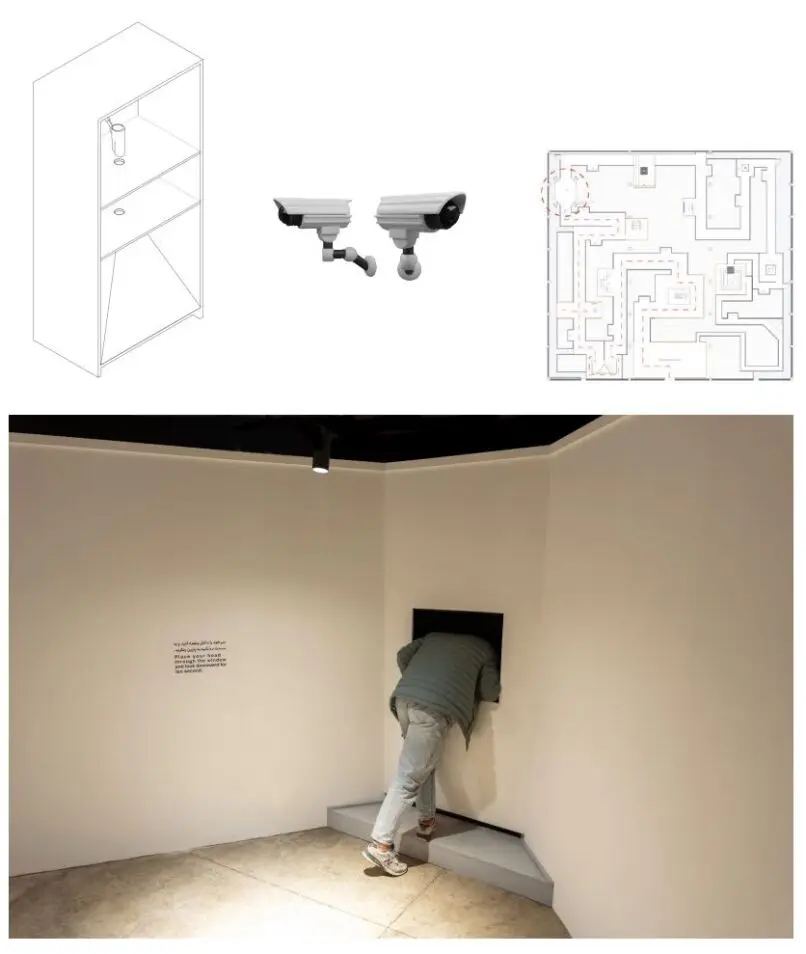
Room Number Six: The Last Portrait
This installation channels the haunting tension of live surveillance, forcing the audience into a state of stark physical vulnerability. Dedicated to the desperate final verses of André Chénier, Space Number Six centers entirely on a single, downward-facing aperture. Instructed to look inside, the viewer is suddenly confronted with a live, closed-circuit television feed. However, the camera does not capture their face; positioned directly above, it broadcasts a real-time, rear-view image of the viewer’s own exposed neck—the precise target of the falling blade. Superimposed over this intensely personal portrait is Chénier’s chilling final line of poetry: “You who see my portrait, I am executed now.” By manipulating physical space and live projection, the room removes historical distance and momentarily transforms the observer into the condemned.
07
The Perpetual Gaze
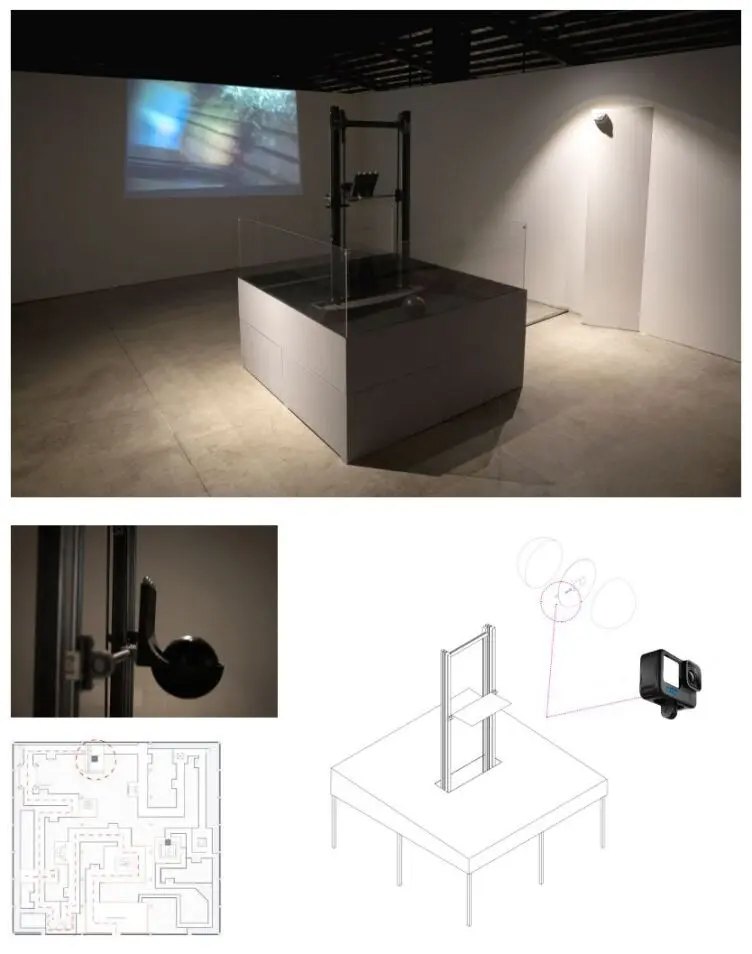
Dedicated to Antoine Lavoisier, the chemist who reportedly approached his execution as a scientific experiment, this room translates the macabre into the mechanical. The installation features a mechanized conveyor belt that lifts a transparent orb containing a live-action camera, which is then released onto a looping rail to create a cycle of perpetual motion. Projected on the gallery wall is real-time point-of-view footage from inside the rolling sphere. By requiring the audience to view the room through this lens, the installation simulates the perspective of a severed head, referencing Lavoisier’s commitment to observation.
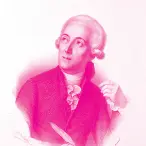
Antoine Lavoisier (1743 – 1794)
Widely regarded as the father of modern chemistry, Antoine Lavoisier was a man noted for his unceasing pursuit of observation. Early in his career, he brought literal illumination to Paris, earning a gold medal from King Louis XVI for his work on urban street lighting. However, his monumental scientific advances—including discovering the true nature of oxygen—were funded by his deeply unpopular role as a royal tax collector. When the Reign of Terror spread across France, Lavoisier’s wealth and status sealed his fate. Arrested and hastily executed alongside twenty-seven other collectors, his life ended under the blade. Yet, it is his legendary death that cements his place in this exhibition. According to an enduring, chilling rumor, Lavoisier treated his own decapitation as a final empirical study, instructing an assistant to count his blinks post-execution to measure the exact endurance of human consciousness.
Widely regarded as the father of modern chemistry, Antoine Lavoisier was a man noted for his unceasing pursuit of observation. Early in his career, he brought literal illumination to Paris, earning a gold medal from King Louis XVI for his work on urban street lighting. However, his monumental scientific advances—including discovering the true nature of oxygen—were funded by his deeply unpopular role as a royal tax collector. When the Reign of Terror spread across France, Lavoisier’s wealth and status sealed his fate. Arrested and hastily executed alongside twenty-seven other collectors, his life ended under the blade. Yet, it is his legendary death that cements his place in this exhibition. According to an enduring, chilling rumor, Lavoisier treated his own decapitation as a final empirical study, instructing an assistant to count his blinks post-execution to measure the exact endurance of human consciousness.
Space number three: L’Ami du peuple versus death angel
Space number Three is a triangular space presenting two perspectives of notable paintings by Jacques-Louis David and Paul Baudry, depicting Jean-Paul Marat and Charlotte Corday from varying viewpoints. These figures, already introduced to the audience in a video essay, are brought to life with motion design to illustrate the scene of Marat’s killing by Corday. And Marat’s bathtub and his dead body projection is present in the scene. Additionally, sound tunnels are integrated to enhance the auditory experience in the room.
08
A Complicated Idealist
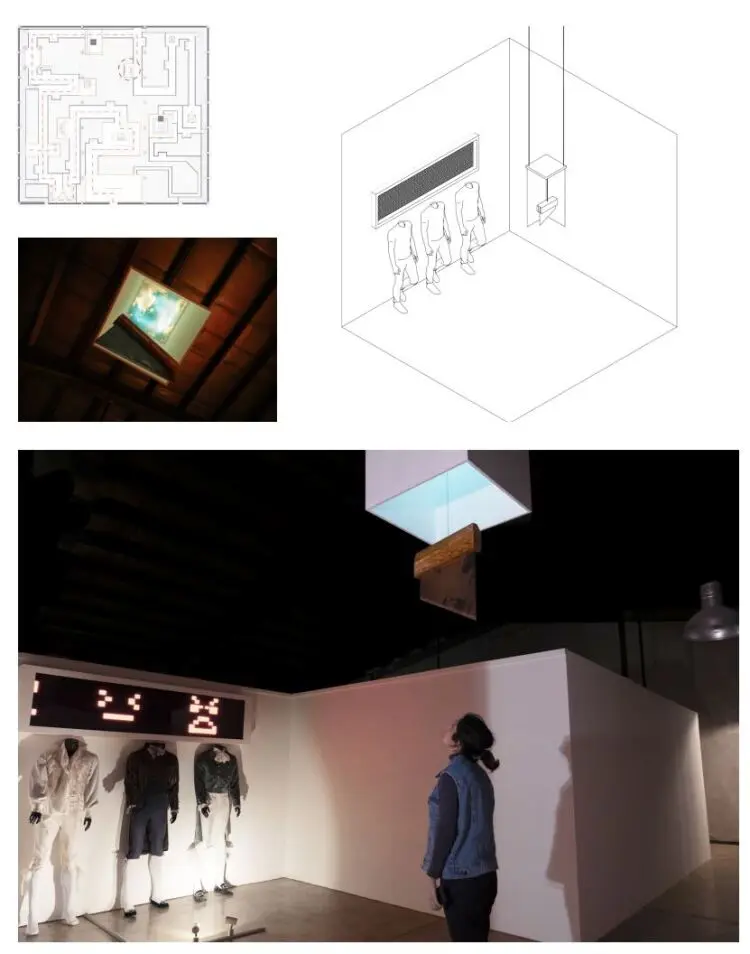
In this space, the audience encounters the atmosphere of paranoia characteristic of the Reign of Terror. The installation features three headless mannequins dressed in period garments, with LED screens displaying a loop of modern emoji faces, commenting on the faceless nature of public outrage. The psychological impact of the room is heightened by a guillotine blade suspended within a concealed skylight box, invisible to most of the room. Visitors become aware of the blade only when standing directly beneath it, highlighting the persistent threat present during this historical period.

Maximilien Robespierre (1758 – 1794)
Known as “The Incorruptible,” Maximilien Robespierre was the absolute architect of the Reign of Terror—a radical idealist who utilized the guillotine in the name of democratic virtue. Driven by a paranoid devotion to the Republic, he orchestrated the execution of thousands, convinced that unrelenting bloodshed was necessary to purify the nation. Yet, the brutal system he engineered ultimately turned on him. Denounced by a terrified government and cornered in a violent political coup, a gunshot shattered his jaw, reducing the revolution’s most powerful orator to a silenced, disfigured prisoner. On July 28, 1794, Robespierre was dragged to the scaffold and executed before the same crowds that had previously worshipped him as a savior, proving that the machine of absolute ideology spares no one.
Known as “The Incorruptible,” Maximilien Robespierre was the absolute architect of the Reign of Terror—a radical idealist who utilized the guillotine in the name of democratic virtue. Driven by a paranoid devotion to the Republic, he orchestrated the execution of thousands, convinced that unrelenting bloodshed was necessary to purify the nation. Yet, the brutal system he engineered ultimately turned on him. Denounced by a terrified government and cornered in a violent political coup, a gunshot shattered his jaw, reducing the revolution’s most powerful orator to a silenced, disfigured prisoner. On July 28, 1794, Robespierre was dragged to the scaffold and executed before the same crowds that had previously worshipped him as a savior, proving that the machine of absolute ideology spares no one.
Room Number Eight: A Complicated Idealist
Entering this space, the audience confronts the terrifying paranoia of the Reign of Terror. The installation features three headless mannequins clothed in authentic period garments, their missing features replaced by harsh LED screens broadcasting an erratic loop of modern emoji faces—a disturbing commentary on the shifting, faceless nature of public outrage. Yet the true psychological trap of the room is hidden above. Suspended within a deceptive skylight box hangs a massive, dormant guillotine blade, completely invisible to the room at large. Visitors only discover their impending execution when they step directly into the drop zone. It is only in this exact spot—standing directly beneath the steel—that a hidden, localized musical soundscape is triggered, wrapping the “condemned” in a spine-tingling, solitary auditory sensation before the imaginary blade falls.
09
The Entertaining Skull
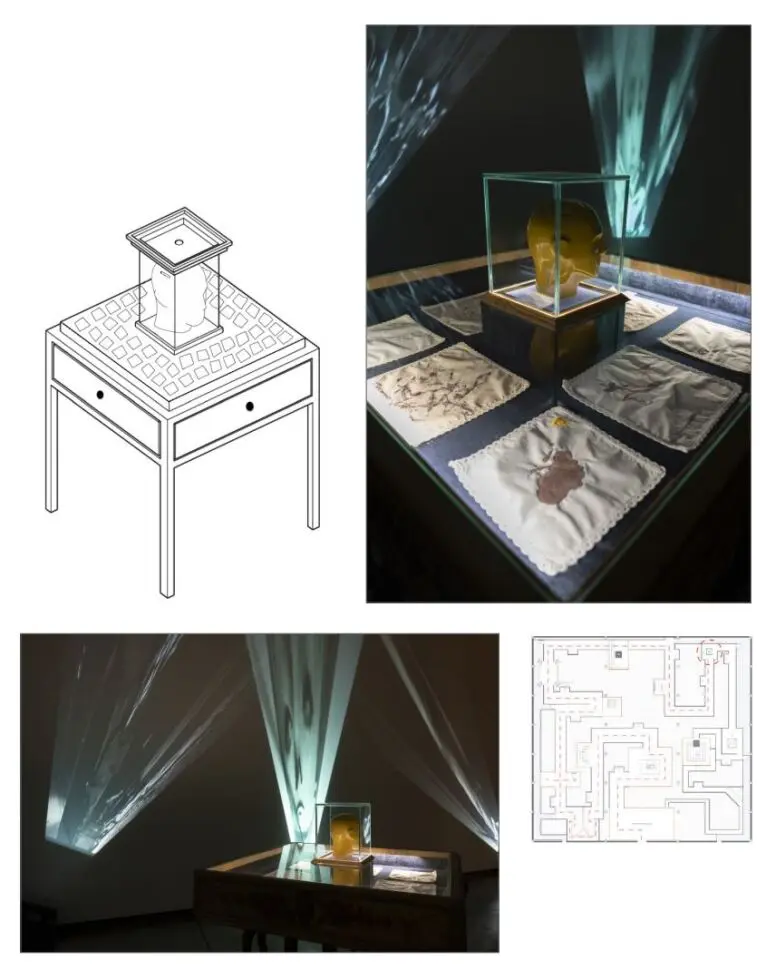
In the twentieth century, the exhibition shifts focus from political violence to the commercialization of murder. This room centers on Henri Landru, a serial killer who targeted wealthy widows for financial gain before his execution by guillotine. The installation features a table with blood-stained handkerchiefs and a cast of Landru’s head functioning as a coin-operated piggy bank, referencing his financial motives. Visitors are invited to purchase the handkerchiefs, accompanied by mock certificates of authenticity, prompting reflection on the commodification of true crime.

Henri Désiré Landru (1869 – 1922)
Infamously dubbed the “Bluebeard of Gambais,” Henri Désiré Landru represents a dark evolution in the history of the guillotine: the shift from political terror to the ruthless commercialization of murder. Operating in the early 20th century, Landru lured wealthy widows with false promises of marriage, assassinating them for financial gain and incinerating their remains in his villa’s stove. When the unrelenting suspicions of his victims’ families finally led to his arrest in 1919, his sensational trial did not simply horrify the French public—it completely mesmerized them. Convicted of eleven murders and executed by guillotine in 1922, Landru was instantly transformed from a killer into a ghastly celebrity. In a disturbing tribute to society’s insatiable appetite for true crime, his preserved skull remains on display today at the Museum of Death in Hollywood, serving as the ultimate macabre attraction.
Infamously dubbed the “Bluebeard of Gambais,” Henri Désiré Landru represents a dark evolution in the history of the guillotine: the shift from political terror to the ruthless commercialization of murder. Operating in the early 20th century, Landru lured wealthy widows with false promises of marriage, assassinating them for financial gain and incinerating their remains in his villa’s stove. When the unrelenting suspicions of his victims’ families finally led to his arrest in 1919, his sensational trial did not simply horrify the French public—it completely mesmerized them. Convicted of eleven murders and executed by guillotine in 1922, Landru was instantly transformed from a killer into a ghastly celebrity. In a disturbing tribute to society’s insatiable appetite for true crime, his preserved skull remains on display today at the Museum of Death in Hollywood, serving as the ultimate macabre attraction.
Room Number Nine: The Entertaining Skull
Leaping forward into the twentieth century, the exhibition changes its focus from political terror to the commercialization of murder. This room is dedicated to Henri Landru, the notorious serial killer who preyed on wealthy widows for financial gain before meeting the guillotine. The installation centers around a stark table scattered with blood-stained handkerchiefs and anchored by a cast of Landru’s severed head, which cynically functions as a coin-operated piggy bank—a direct nod to his deadly greed. In a disturbing twist of interactive theater, the tragedy is explicitly for sale. Visitors are invited to purchase the bloody handkerchiefs, complete with mock certificates of authenticity, forcing the audience to become complicit consumers in the morbid economy of true crime.
10
A Blade That Will Fade with Its Fall
This penultimate space marks a significant historical transition: the end of public executions. Addressing the abolition of public executions in France, the installation guides visitors down a long, isolating hallway, evoking the final walk of a condemned prisoner. At the end of the corridor is a minimalist chamber where the guillotine has been transformed. Instead of a steel blade, a 2×2 meter block of solid concrete rests on the wooden base of the execution apparatus. Suspended in kinetic motion, the monolith continuously moves along the base, serving as a visual metaphor for the institutional burial of public death.
Eugen Weidmann (1908 – 1939)
A prolific German serial killer who terrorized the French public in the late 1930s, Eugen Weidmann holds a dark, defining place in history: he was the final person to be publicly executed in France. Following a highly sensationalized trial for multiple murders and robberies, Weidmann was sentenced to the guillotine outside the Prison Saint-Pierre in Versailles in June. However, it was not his crimes that changed history, but the execution itself. The crowd that gathered was so unruly and bloodthirsty, and the morbid media spectacle so vast— captured by secret cameras and splashed across morning tabloids—that it deeply scandalized the French government. The public’s grotesque behavior proved that the guillotine was no longer a tool of justice, but a horrific carnival. Just days later, public executions were permanently abolished, forcing the blade behind prison walls forever.
A prolific German serial killer who terrorized the French public in the late 1930s, Eugen Weidmann holds a dark, defining place in history: he was the final person to be publicly executed in France. Following a highly sensationalized trial for multiple murders and robberies, Weidmann was sentenced to the guillotine outside the Prison Saint-Pierre in Versailles in June. However, it was not his crimes that changed history, but the execution itself. The crowd that gathered was so unruly and bloodthirsty, and the morbid media spectacle so vast— captured by secret cameras and splashed across morning tabloids—that it deeply scandalized the French government. The public’s grotesque behavior proved that the guillotine was no longer a tool of justice, but a horrific carnival. Just days later, public executions were permanently abolished, forcing the blade behind prison walls forever.
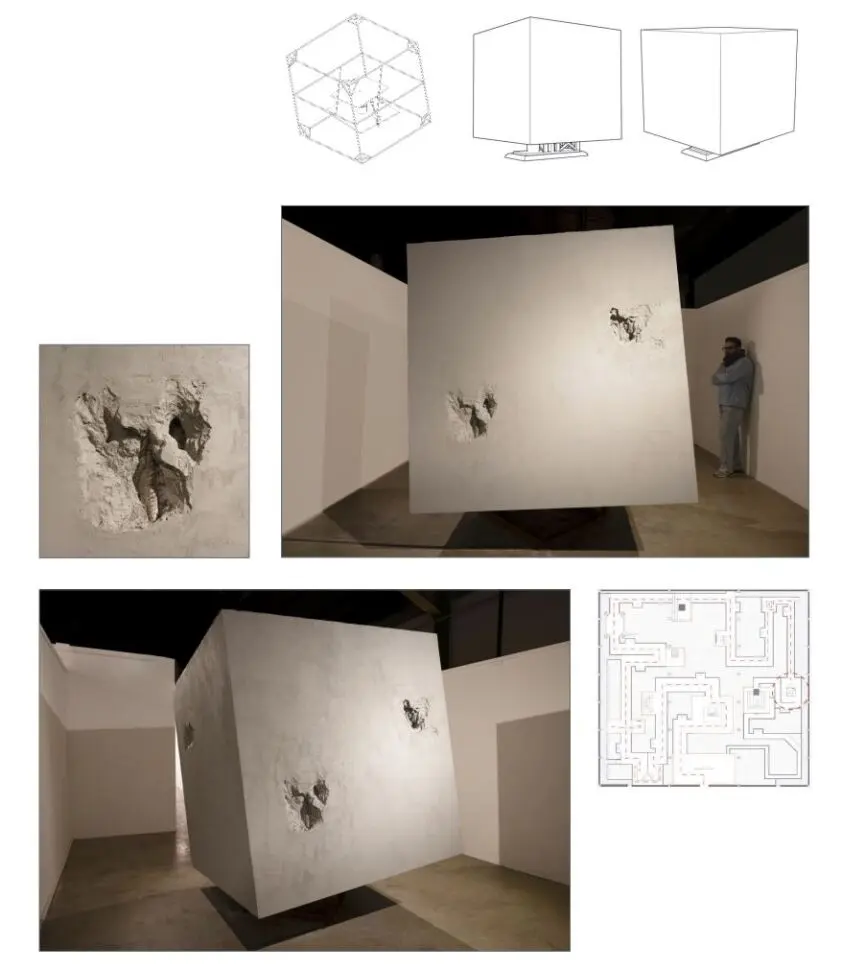
Room Number Ten: A Blade That Will Fade With Its Fall
This penultimate space denotes a monumental historical shift: the end of the public spectacle. Exploring the abolishment of public executions in France, the installation forces visitors down a long, isolating hallway—a bleak architectural reverberation of a condemned prisoner’s final walk. At the End of this corridor lies a minimalist, oppressive chamber where the guillotine has been brutally transformed. Resting upon the recognizable wooden base of the execution apparatus is not a sharp steel blade, but a massive 2×2 meter block of solid concrete. Suspended in a state of restless, kinetic hovering, this crushing monolith continuously grinds and moves along the base. It functions as a strong visual metaphor, replacing the swift cut of the blade with a disturbing, inescapable heaviness, representing the institutional burial of public death.
11
Those Who Will Stand Out
In the twentieth century, the exhibition examines the industrialization of the guillotine during the Third Reich. This room pays tribute to both anti-Nazi dissident Sophie Scholl and executioner Johann Reichhart. The installation requires visitors to exert physical effort using an apparatus resembling a bodybuilding machine, with weights shaped like a guillotine blade. When the weight is pressed down, a hidden window opens, revealing the participant’s reflection in a mirror. Simultaneously, other visitors observe from a corridor behind the glass, illustrating the exposure that accompanies resistance to oppressive systems.

Sophie Scholl (1921 – 1943)
A towering symbol of moral defiance, Sophie Scholl represents the ultimate physical and psychological cost of resisting an industrialized state. As a core member of the White Rose—a non-violent, student-led resistance movement in Nazi Germany— Scholl boldly distributed underground leaflets condemning the atrocities of the Third Reich. Her activism was a dangerous refusal to remain invisible; she actively pushed back against the oppressive weight of the regime. In February 1943, after being caught distributing anti-war literature in the halls of the University of Munich, she was handed over to the Gestapo. Following a brutal interrogation and a predetermined show trial, Scholl was executed by guillotine at just twenty-one years old. She faced the blade with resolute composure, proving that the courage to stand out and resist tyranny remains history’s most powerful act of resistance.
A towering symbol of moral defiance, Sophie Scholl represents the ultimate physical and psychological cost of resisting an industrialized state. As a core member of the White Rose—a non-violent, student-led resistance movement in Nazi Germany— Scholl boldly distributed underground leaflets condemning the atrocities of the Third Reich. Her activism was a dangerous refusal to remain invisible; she actively pushed back against the oppressive weight of the regime. In February 1943, after being caught distributing anti-war literature in the halls of the University of Munich, she was handed over to the Gestapo. Following a brutal interrogation and a predetermined show trial, Scholl was executed by guillotine at just twenty-one years old. She faced the blade with resolute composure, proving that the courage to stand out and resist tyranny remains history’s most powerful act of resistance.

Johann Reichhart (1893 – 1972)
Johann Reichhart represents the terrifying, mechanized extreme of the executioner’s trade. Born into a long lineage of state executioners, Reichhart became the chief operator of the Fallbeil (the German guillotine) during the Third Reich. He was not a monster of passion, but of chilling, bureaucratic efficiency. Executing over 3,100 individuals—more than any other executioner in modern history—he famously refined the act of decapitation down to a frictionless, three-second industrial process. It was his hands that dropped the blade on Sophie and Hans Scholl of the White Rose resistance in 1943. Reichhart serves as the ultimate embodiment of the state machinery of death: a man who felt no moral burden, claiming until the end of his life that he was simply a master of his craft, dutifully following orders.
Johann Reichhart represents the terrifying, mechanized extreme of the executioner’s trade. Born into a long lineage of state executioners, Reichhart became the chief operator of the Fallbeil (the German guillotine) during the Third Reich. He was not a monster of passion, but of chilling, bureaucratic efficiency. Executing over 3,100 individuals—more than any other executioner in modern history—he famously refined the act of decapitation down to a frictionless, three-second industrial process. It was his hands that dropped the blade on Sophie and Hans Scholl of the White Rose resistance in 1943. Reichhart serves as the ultimate embodiment of the state machinery of death: a man who felt no moral burden, claiming until the end of his life that he was simply a master of his craft, dutifully following orders.
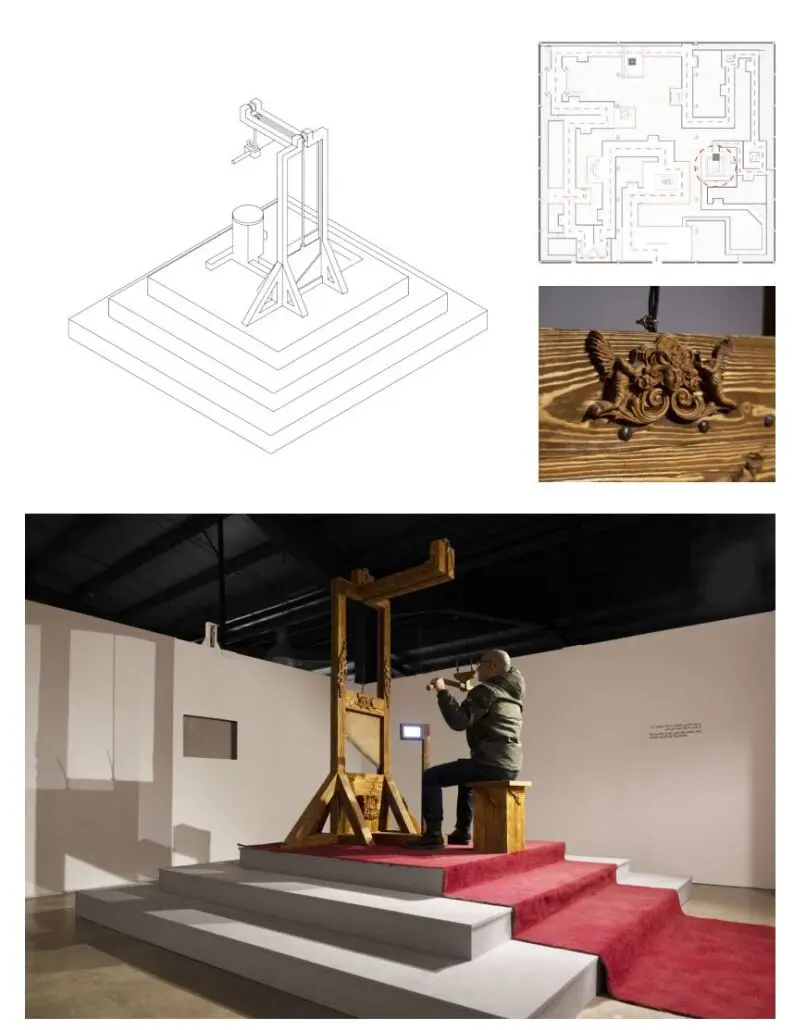
Room Number Eleven: Those Who Will Stand Out
Moving into the twentieth century, the exhibition confronts the chilling industrialization of the guillotine under the Third Reich. This room is a dual tribute to the courage of anti-Nazi dissident Sophie Scholl and the cold efficiency of Johann Reichhart, history’s most prolific executioner. The installation needs active, physical exertion. At its center is a menacing apparatus resembling a bodybuilding machine, its heavy mechanical weights cast in the shape of a guillotine blade. To engage, the visitor must physically push against the machine’s crushing force. The moment the weight is forced down, a hidden window abruptly snaps open, confronting the participant with their own struggling reflection in a mirror. Yet, this vulnerability is a two-way trap. From a darkened corridor behind the glass, other visitors watch the participant’s straining face. This profound, exhausting metaphor shows that physically resisting the machinery of oppression exposes you to a watching world in a dangerous way.
12
The Fall of the Guillotine
The final chapter of the guillotine’s history extends into the late twentieth century. This room is dedicated to Hamida Djandoubi, the last person executed by guillotine in France in 1977, and shifts focus from spectacle to the ordinary reality of capital punishment. In his final moments, Djandoubi requested a cigarette to delay his execution. The installation features a solitary jackpot machine; visitors pull the lever, mimicking the release of the blade, and occasionally receive a cigarette. This interactive element serves as a metaphor for the arbitrary nature of mortality, highlighting the randomness of a condemned individual’s final moments.

Hamida Djandoubi (1949 – 1977)
Hamida Djandoubi holds a serious, grim distinction in history: he was the final person to be executed by the guillotine. Convicted of murder in 1977, his sentence was carried out in the enclosed courtyard of Baumettes Prison in Marseille, long after the guillotine’s public use. spectacle had been hidden away. Yet, what makes Djandoubi’s final moments so haunting is his desperate assertion of humaneness in the face of the machine. Moments before the blade fell on September 10, 1977, he requested a final cigarette. Smoking it as slowly as humanly possible, he successfully stalled his executioner, agonizingly negotiating for a few final seconds of existence. His death signified the absolute end of the guillotine’s reign, occurring during a rising tide of opposition that would lead France to abolish capital punishment just four years later in 1981.
Hamida Djandoubi holds a serious, grim distinction in history: he was the final person to be executed by the guillotine. Convicted of murder in 1977, his sentence was carried out in the enclosed courtyard of Baumettes Prison in Marseille, long after the guillotine’s public use. spectacle had been hidden away. Yet, what makes Djandoubi’s final moments so haunting is his desperate assertion of humaneness in the face of the machine. Moments before the blade fell on September 10, 1977, he requested a final cigarette. Smoking it as slowly as humanly possible, he successfully stalled his executioner, agonizingly negotiating for a few final seconds of existence. His death signified the absolute end of the guillotine’s reign, occurring during a rising tide of opposition that would lead France to abolish capital punishment just four years later in 1981.

Robert Badinter (1928 – 2024)
After nearly two centuries of mechanized state violence, Robert Badinter is the man who finally stopped the machine. A prominent French lawyer, human rights advocate, and visionary politician, Badinter dedicated his life to dismantling the legacy of the guillotine. Serving as Minister of Justice under President François Mitterrand, he waged an unrelenting, passionate campaign against a firmly established system of capital punishment. In 1981, his fierce legal and moral arguments triumphed. Badinter successfully authored and passed the historic legislation that completely abolished the death penalty in France, silencing the falling blade forever and denoting one of the deepest ethical shifts in modern European history.
After nearly two centuries of mechanized state violence, Robert Badinter is the man who finally stopped the machine. A prominent French lawyer, human rights advocate, and visionary politician, Badinter dedicated his life to dismantling the legacy of the guillotine. Serving as Minister of Justice under President François Mitterrand, he waged an unrelenting, passionate campaign against a firmly established system of capital punishment. In 1981, his fierce legal and moral arguments triumphed. Badinter successfully authored and passed the historic legislation that completely abolished the death penalty in France, silencing the falling blade forever and denoting one of the deepest ethical shifts in modern European history.
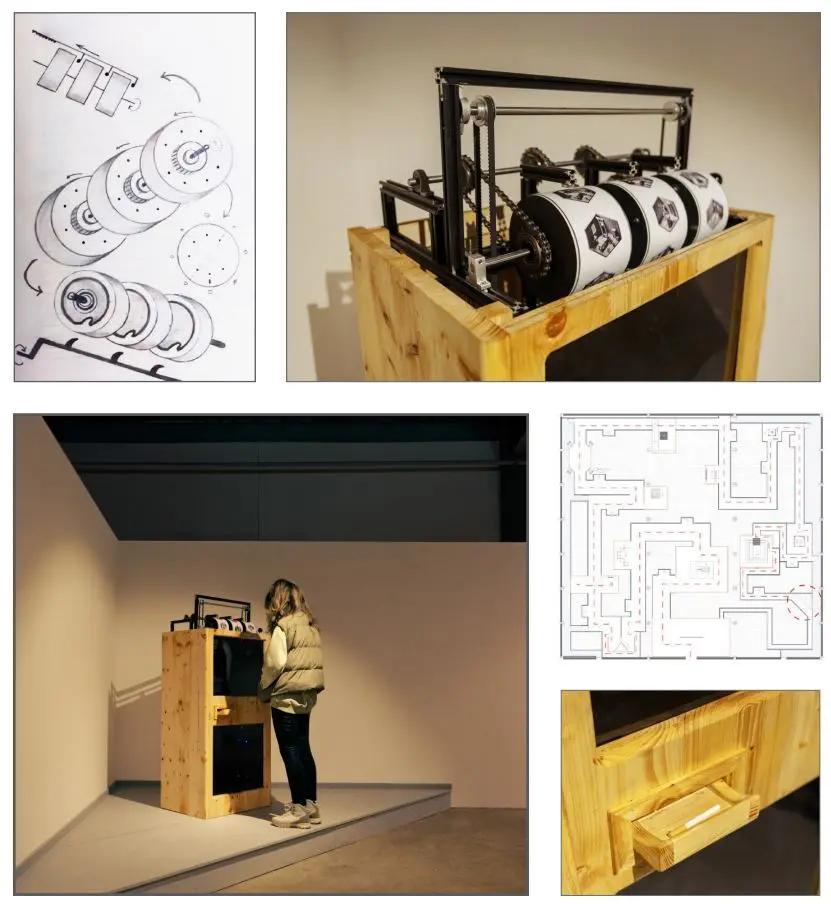
Room Number Twelve: The Fall ofthe Guillotine
The final space in the exhibition stands at the precise threshold between life, death, and justice. Dedicated jointly to Hamida Djandoubi, the last man to face the blade, and Robert Badinter, the politician who finally dismantled it, this room removes the majestic spectacle of the Revolution to reveal the guillotine’s desperate, mundane end. In 1977, Djandoubi famously requested a final cigarette, smoking it as slowly as humanly possible to stall the executioner and buy a few more minutes of existence. To represent this agonizing negotiation for time—occurring just before Badinter’s historic 1981 abolition silenced the machine forever—the installation centers around a solitary jackpot machine. Visitors are invited to pull the lever, an act imitating the fatal release of the blade, and gamble. Governed entirely by chance, the machine occasionally dispenses a single cigarette. It is a bleak, interactive metaphor reducing a condemned man’s last plea for life to a cold game of luck, right as the era of the guillotine was permanently closed.